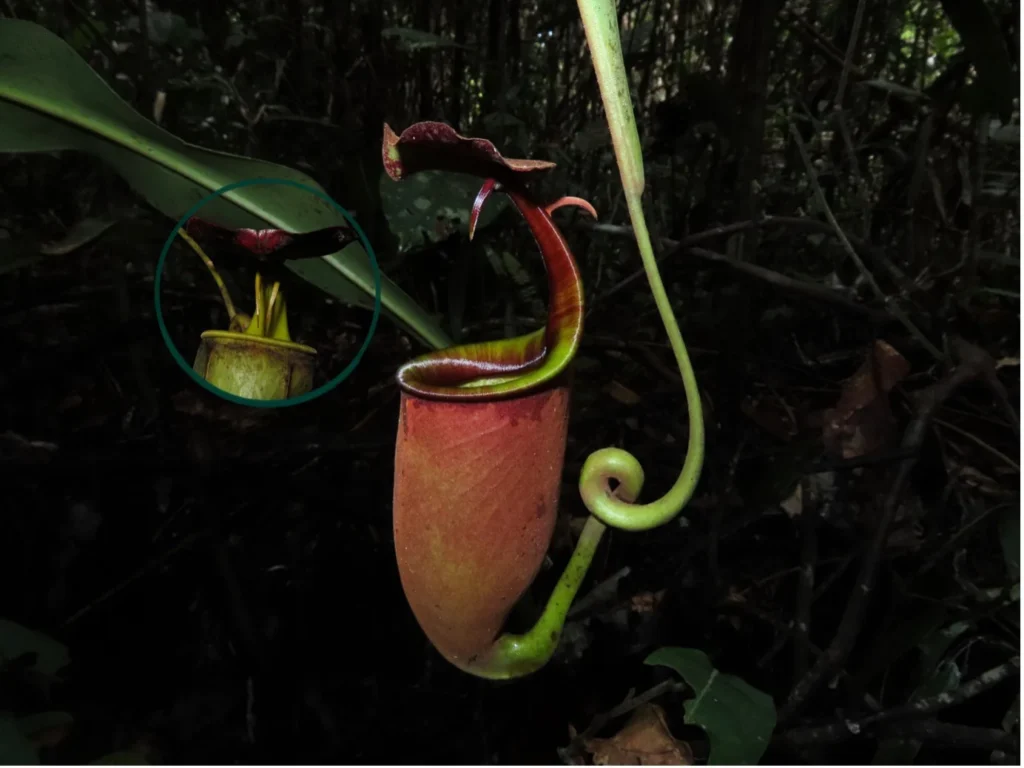
GAIA, Biodiversity—the variety of life on Earth—is the foundation of healthy ecosystems and sustainable development. It encompasses the diversity of species, genes, and habitats that support life, provide ecosystem services, and maintain ecological balance. To protect this diversity, effective biodiversity assessment techniques are essential. These techniques not only help us understand the state of biodiversity but also guide conservation planning by identifying priority areas, threats, and restoration opportunities.
Why Biodiversity Assessment Matters for Conservation
Before initiating any conservation program, it is crucial to have accurate data on species distribution, population trends, and habitat conditions. Without this knowledge, conservation efforts risk being inefficient or even counterproductive. Biodiversity assessment provides:
- Baseline information for monitoring changes over time.
- Evidence-based decision-making for policymakers.
- Early warning signals about ecosystem degradation or species decline.
- Guidance for resource allocation in conservation projects.
Key Biodiversity Assessment Techniques
1. Field Surveys
Field surveys remain the backbone of biodiversity assessments. Scientists directly observe, count, and record species within specific study sites. Common methods include:
- Transect sampling: Walking along a fixed path and recording all encountered species.
- Quadrat sampling: Marking small plots to measure species abundance and diversity.
- Point counts: Recording species sightings or calls from fixed observation points.
These methods are especially effective for understanding local species richness and habitat conditions.
2. Remote Sensing and GIS Mapping
Modern conservation relies heavily on remote sensing through satellites, drones, and aerial photography. Geographic Information Systems (GIS) help in:
- Mapping land cover and habitat types.
- Tracking deforestation, wetland loss, or urban expansion.
- Identifying corridors and fragmented habitats.
Remote sensing allows large-scale assessments, particularly in inaccessible or vast regions.
3. DNA Barcoding and Environmental DNA (eDNA)
Molecular techniques have revolutionized biodiversity studies. DNA barcoding identifies species using genetic markers from small tissue samples, while eDNA detects traces of organisms from soil, water, or air samples. These techniques:
- Identify cryptic species that are hard to distinguish visually.
- Monitor aquatic biodiversity without physical capture.
- Detect rare or endangered species with minimal disturbance.
4. Acoustic and Camera Trap Monitoring
Some species are more easily detected by sound or through motion-triggered imagery:
- Acoustic monitoring: Records animal calls (birds, frogs, bats) to assess presence and abundance.
- Camera traps: Capture images of elusive or nocturnal wildlife, providing valuable data on behavior and population density.
These methods are particularly useful for studying mammals, amphibians, and birds in dense forests or remote areas.
5. Community-Based Monitoring (Citizen Science)
Local communities play a critical role in biodiversity assessment. Citizen science initiatives engage residents in:
- Reporting sightings through mobile apps.
- Collecting field data during organized surveys.
- Monitoring environmental changes over time.
Community participation increases data coverage, fosters environmental stewardship, and supports conservation at grassroots levels.
Biodiversity Credits with GAIA
Integrating Techniques for Effective Conservation Planning
No single method can fully capture the complexity of biodiversity. Therefore, conservationists often combine multiple techniques to create a comprehensive biodiversity profile. For example:
- Remote sensing can identify areas for detailed field surveys.
- DNA barcoding can validate species recorded through visual observation.
- Community monitoring can supplement scientific research with local ecological knowledge.
This integrated approach improves accuracy and ensures conservation plans are based on robust data.
Challenges in Biodiversity Assessment
While modern techniques have improved biodiversity monitoring, several challenges remain:
- Limited funding for long-term studies.
- Data gaps in remote or politically unstable regions.
- Technical expertise requirements for advanced methods.
- Climate change impacts that rapidly alter species distribution.
Addressing these challenges requires global collaboration, adequate resources, and continuous technological innovation.
Conclusion
Biodiversity assessment techniques are the cornerstone of effective conservation planning. From traditional field surveys to advanced molecular tools, each method provides unique insights into the state of our ecosystems. By integrating these techniques, conservationists can prioritize actions, allocate resources efficiently, and protect biodiversity for future generations.
Organizations like GAIA lead biodiversity assessments by combining cutting-edge technology, sustainable project planning, and community-driven initiatives. Through strategic collaboration, GAIA aims to ensure that biodiversity data translates into real-world action, preserving nature’s richness for the benefit of all.
References
- National Geographic Society. (n.d.). Biodiversity. National Geographic Education. Retrieved from https://education.nationalgeographic.org/resource/biodiversity/
- United Nations Environment Programme. (2020). Global Biodiversity Outlook 5 (GBO-5). Retrieved from https://www.unep.org/resources/report/global-biodiversity-outlook-5-gbo-5